GUTSCHEIN
Bitte haben Sie einen Moment Geduld, wir legen Ihr Produkt in den Warenkorb.
Diese Produkte könnten Sie auch interessieren:
Bitte haben Sie einen Moment Geduld, wir legen Ihr Produkt in den Warenkorb.
| ISBN | 9780393617092 |
|---|---|
| Sprache | Englisch |
| Erscheinungsdatum | 22.10.2021 |
| Größe | 212 x 128 mm |
| Verlag | W. W. Norton & Company |
| Herausgegeben von | Samuel Moyn |
| Übersetzung | James Strachey |
| Lieferzeit | Lieferung innerhalb von 28 Werktagen |
| Herstellerangaben | Anzeigen Libri GmbH Europaallee 1 | D-36244 Bad Hersfeld gpsr@libri.de |
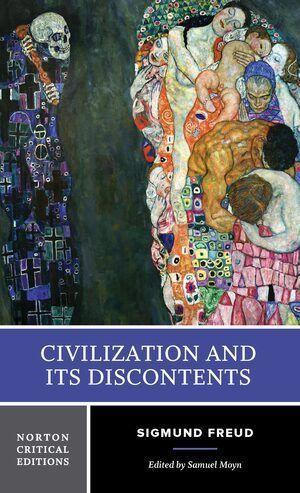
This Norton Critical Edition includes: The Standard Edition of Sigmund Freud's most famous work, under the general editorship of James Strachey and authorized by Freud. Editorial matter by Samuel Moyn. Carefully chosen and thematically organized commentaries, including letters between Albert Einstein and Freud and a new essay by Amy Allen adapted for this Norton Critical Edition. Topics include "The Meaning of Psychoanalysis," "The Infant, the 'Oceanic Feeling,' and the Question of Religion," "Aggression and Peace," "Culture and Pessimism in Cold War Liberalism," and "Liberation or Progress?" Suggestions for further reading, a bibliography and an author index, and a general index. About the SeriesRead by more than 12 million students over fifty-five years, Norton Critical Editions set the standard for apparatus that is right for undergraduate readers. The three-part format-annotated text, contexts, and criticism-helps students to better understand, analyze, and appreciate the literature, while opening a wide range of teaching possibilities for instructors. Whether in print or in digital format, Norton Critical Editions provide all the resources students need. "This is Freud's most sustained statement on the cruelties human beings are capable of inflicting on each other, even as he held out hope that love might yet triumph. Civilization and Its Discontents remains hugely pertinent in light of the ongoing crises and challenges confronting our species. This Norton Critical Edition offers an especially apt and brilliant range of commentaries, perfect for teaching." -Dagmar Herzog, Graduate Center, City University of New York
| ISBN | 9780393617092 |
|---|---|
| Sprache | Englisch |
| Erscheinungsdatum | 22.10.2021 |
| Größe | 212 x 128 mm |
| Verlag | W. W. Norton & Company |
| Herausgegeben von | Samuel Moyn |
| Übersetzung | James Strachey |
| Lieferzeit | Lieferung innerhalb von 28 Werktagen |
| Herstellerangaben | Anzeigen Libri GmbH Europaallee 1 | D-36244 Bad Hersfeld gpsr@libri.de |
Wie gefällt Ihnen unser Shop?