Libri GmbH Europaallee 1 | D-36244 Bad Hersfeld gpsr@libri.de
Unsere Prinzipien
✔ kostenlose Lieferung innerhalb Österreichs ab € 35,–
✔ über 1,5 Mio. Bücher, DVDs & CDs im Angebot
✔ alle FALTER-Produkte und Abos, nur hier!
✔ keine Weitergabe personenbezogener Daten an Dritte
✔ als 100% österreichisches Unternehmen liefern wir innerhalb Österreichs mit der Österreichischen Post
Kurzbeschreibung des Verlags
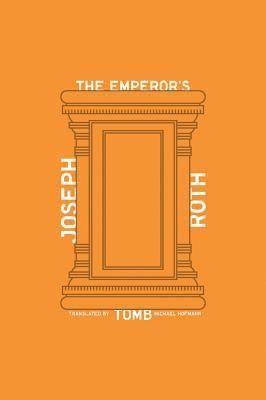
The Emperor's Tomb - the last novel Joseph Roth wrote - is a haunting elegy to the vanished world of the Austro-Hungarian Empire, and a magically evocative paean to the passing of time and the loss of hope. The Emperor's Tomb runs from 1913 to 1938, from the eve of one world war to the eve of the next, from disaster to disaster. Striped with beauty and written in short propulsive chapters - full of upheavals, reversals and abrupt twists of plot - the novel powerfully sketches a time of change and loss. Prophetic and regretful, intuitive and exact, Roth tells of one man's foppish, sleepwalking, spoiled youth and then his struggle to come to terms with the uncongenial society of post-First World War Vienna, financial ruin, and the first intimations of Nazi barbarities.
Libri GmbH Europaallee 1 | D-36244 Bad Hersfeld gpsr@libri.de
Unsere Prinzipien
✔ kostenlose Lieferung innerhalb Österreichs ab € 35,–
✔ über 1,5 Mio. Bücher, DVDs & CDs im Angebot
✔ alle FALTER-Produkte und Abos, nur hier!
✔ keine Weitergabe personenbezogener Daten an Dritte
✔ als 100% österreichisches Unternehmen liefern wir innerhalb Österreichs mit der Österreichischen Post
Über den Autor
Joseph Roth (1894-1939) war einer der bedeutendsten deutschsprachigen Erzählern und Journalisten des 20. Jahrhunderts. Bereits während seiner Schulzeit verfasste Roth erste Gedichte. Zunächst begann er ein Studium in Germanistik und Philosophie an der Universität Lemberg, wechselte dann aber in die selben Fächer an die Universität Wien. 1915 veröffentlichte er mit "Welträtsel" sein erstes Gedicht. Später war Roth als Redakteur bei verschiedenen Zeitungen tätig. Mit seinen Feuilletons wurde Joseph Roth zu einem der angesehensten deutschen Journalisten der 1920er Jahre. Ab 1923 entstanden etliche erzählerische Werke, darunter "Das Spinnennetz", "Hotel Savoy" und "Die Rebellion". Den internationalen Durchbruch schaffte der Schriftsteller 1932 mit "Radetzkymarsch", welchem der Fortsetzungsroman "Die Kapuzinergruft" und die Novelle "Die Büste des Kaisers" folgten. Mit der Machtergreifung der Nationalsozialisten in Deutschland emigrierte Roth nach Paris. Joseph Roth starb am 27. Mai 1939 in Paris.