GUTSCHEIN
Bitte haben Sie einen Moment Geduld, wir legen Ihr Produkt in den Warenkorb.
Diese Produkte könnten Sie auch interessieren:
Bitte haben Sie einen Moment Geduld, wir legen Ihr Produkt in den Warenkorb.
| ISBN | 9780823255245 |
|---|---|
| Sprache | Englisch |
| Erscheinungsdatum | 03.02.2014 |
| Größe | 234 x 160 mm |
| Verlag | Fordham University Press |
| Übersetzung | Jeff Fort, G M Goshgarian |
| Lieferzeit | Lieferung innerhalb von 28 Werktagen |
| Herstellerangaben | Anzeigen gpsr@mare-nostrum.co.uk |
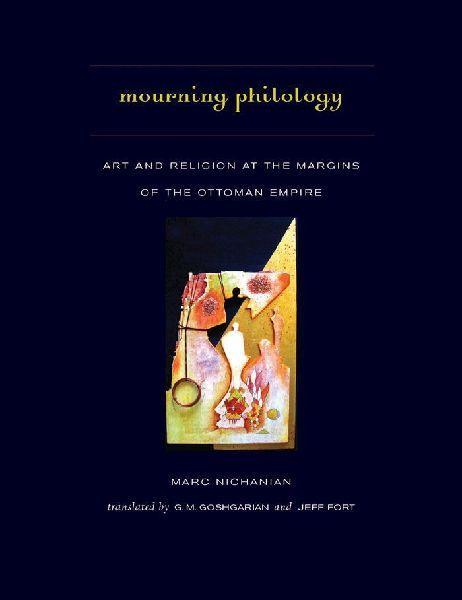
"Pagan life seduces me a little more with each passing day. If it were possible today, I would change my religion and would joyfully embrace poetic paganism," wrote the Armenian poet Daniel Varuzhan in 1908. During the seven years that remained in his life, he wrote largely in this "pagan" vein. If it was an artistic endeavour, why then should art be defined in reference to religion? And which religion precisely? Was Varuzhan echoing Schelling's Philosophy of Art? Mourning Philology draws on Varuzhan and his work to present a history of the national imagination, which is also a history of national philology, as a reaction to the two main philological inventions of the nineteenth century: mythological religion and the native. In its first part, the book thus gives an account of the successive stages of orientalist philology. The last episode in this story of national emergence took place in 1914 in Constantinople, when the literary journal Mehyan gathered around Varuzhan the great names to come of Armenian literature in the diaspora
| ISBN | 9780823255245 |
|---|---|
| Sprache | Englisch |
| Erscheinungsdatum | 03.02.2014 |
| Größe | 234 x 160 mm |
| Verlag | Fordham University Press |
| Übersetzung | Jeff Fort, G M Goshgarian |
| Lieferzeit | Lieferung innerhalb von 28 Werktagen |
| Herstellerangaben | Anzeigen gpsr@mare-nostrum.co.uk |
Wie gefällt Ihnen unser Shop?