GUTSCHEIN
Bitte haben Sie einen Moment Geduld, wir legen Ihr Produkt in den Warenkorb.
Diese Produkte könnten Sie auch interessieren:
Bitte haben Sie einen Moment Geduld, wir legen Ihr Produkt in den Warenkorb.
| Themen | Kunst Themen und Techniken Kunstgeschichte |
|---|---|
| ISBN | 9780997184204 |
| Sprache | Englisch |
| Erscheinungsdatum | 12.03.2020 |
| Größe | 272 x 207 mm |
| Verlag | Les Enluminures, Limited |
| Lieferzeit | Lieferung innerhalb von 28 Werktagen |
| Herstellerangaben | Anzeigen Libri GmbH Europaallee 1 | D-36244 Bad Hersfeld gpsr@libri.de |
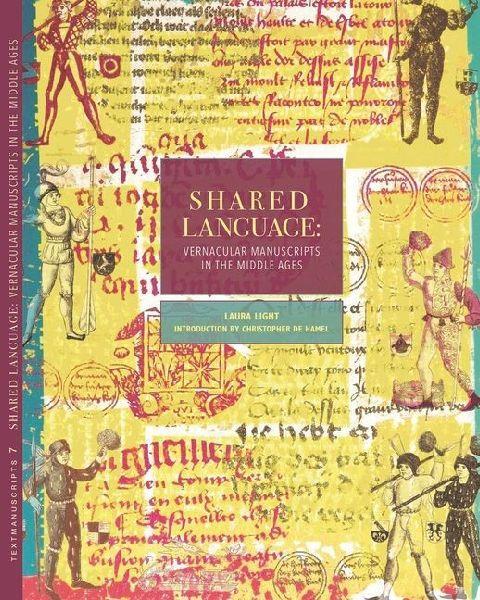
Most people today think of the Middle Ages as a time when cloistered monks wrote and read only in now-obscure languages. Of course, Latin was the language of those who aspired to literacy, and it was the language of the Church. But what many do not realize is that by the thirteenth and fourteenth century (and certainly well before Columbus discovered America in 1492), numerous books became available in the everyday languages spoken "at the court, on the street, and in the bedroom." This catalog focuses on just such manuscripts, written for people at diverse levels of society, not only the privileged aristocracy, but doctors, artisans, townspeople, women, the clergy, and the lay devout. The Middle Classes imitated the nobility in commissioning vernacular manuscripts. Texts of patriotic history and good manners and courtly romance entered manorial households. Literacy moved away from the Latin-based monopoly of the Church. It may be that the owners were actually reading texts themselves, whereas a great prince or king of an earlier generation would often have heard a story read aloud. By the fourteenth century the mercantile classes needed to read in order to conduct commerce, and it was usually in their own languages. At the end of the Middle Ages probably most people in towns had some experience of literacy. Conventional Latin texts give a picture of a quite narrow intellectual elite, but the vernacular encompassed everyone. For example, giving advice to widows, a translator puts Saint Jerome's famous letters into French in a unique copy probably for a high-born woman. She is pictured in the book. Toiling in the Italian metal industry in towns, metalworkers can follow instructions on minting gold and silver coins in their own language. The manuscript is on paper in simple, yet readable script. Fancifully dressed carnival revelers cavort through the streets of medieval Nuremberg throwing fireworks amidst floats and even an occasional elephant; the German text celebrates the sponsoring families of the event. The Founder and President of Les Enluminures (and medievalist), Sandra Hindman reminisces "I have worked on vernacular manuscripts all my life and they are closest to my heart. Like the experience of reading a good book today, vernacular manuscripts offer an adventure into an unknown world that brings to life people, places, and events of long ago."
| Themen | Kunst Themen und Techniken Kunstgeschichte |
|---|---|
| ISBN | 9780997184204 |
| Sprache | Englisch |
| Erscheinungsdatum | 12.03.2020 |
| Größe | 272 x 207 mm |
| Verlag | Les Enluminures, Limited |
| Lieferzeit | Lieferung innerhalb von 28 Werktagen |
| Herstellerangaben | Anzeigen Libri GmbH Europaallee 1 | D-36244 Bad Hersfeld gpsr@libri.de |
Wie gefällt Ihnen unser Shop?