Libri GmbH Europaallee 1 | D-36244 Bad Hersfeld gpsr@libri.de
Unsere Prinzipien
✔ kostenlose Lieferung innerhalb Österreichs ab € 35,–
✔ über 1,5 Mio. Bücher, DVDs & CDs im Angebot
✔ alle FALTER-Produkte und Abos, nur hier!
✔ keine Weitergabe personenbezogener Daten an Dritte
✔ als 100% österreichisches Unternehmen liefern wir innerhalb Österreichs mit der Österreichischen Post
Kurzbeschreibung des Verlags
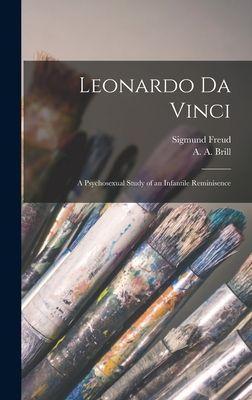
This work has been selected by scholars as being culturally important and is part of the knowledge base of civilization as we know it.This work is in the public domain in the United States of America, and possibly other nations. Within the United States, you may freely copy and distribute this work, as no entity (individual or corporate) has a copyright on the body of the work.Scholars believe, and we concur, that this work is important enough to be preserved, reproduced, and made generally available to the public. To ensure a quality reading experience, this work has been proofread and republished using a format that seamlessly blends the original graphical elements with text in an easy-to-read typeface.We appreciate your support of the preservation process, and thank you for being an important part of keeping this knowledge alive and relevant.
Libri GmbH Europaallee 1 | D-36244 Bad Hersfeld gpsr@libri.de
Unsere Prinzipien
✔ kostenlose Lieferung innerhalb Österreichs ab € 35,–
✔ über 1,5 Mio. Bücher, DVDs & CDs im Angebot
✔ alle FALTER-Produkte und Abos, nur hier!
✔ keine Weitergabe personenbezogener Daten an Dritte
✔ als 100% österreichisches Unternehmen liefern wir innerhalb Österreichs mit der Österreichischen Post
Über den Autor
Sigmund Freud, geboren am 6. Mai 1856 in Freiberg, ist der Begründer der Psychoanalyse und war ein bedeutender Denker seiner Zeit. Er studierte an der Universität Wien und promovierte 1881 zum Doktor der Medizin. Anschließend arbeitete er am Allgemeinen Krankenhaus in Wien und habilitierte in Neuropathologie. Bald darauf ließ er sich als praktischer Arzt für Neurologie in Wien nieder. 1900 veröffentlichte Sigmund Freud das bekannte Werk "Die Traumdeutung". Zu weiteren bedeutenden Publikationen zählen "Totem und Tabu", "Das Ich und das Es", "Hemmungen, Symtom und Angst" sowie "Das Unbehaben in der Kultur". 1919 gründete er den "Internationalen Psychoanalytischen Verlag". Zu Lebzeiten wurde der Neurologe zum Bürger der Stadt Wien ernannt und mit dem Goethe-Preis der Stadt Frankfurt ausgezeichnet. 1938 emigrierte er nach Großbritannien. Bis zu seinem Tod 1939 praktizierte Sigmund Freud in London.