GUTSCHEIN
Bitte haben Sie einen Moment Geduld, wir legen Ihr Produkt in den Warenkorb.
Diese Produkte könnten Sie auch interessieren:
Bitte haben Sie einen Moment Geduld, wir legen Ihr Produkt in den Warenkorb.
| ISBN | 9781581121094 |
|---|---|
| Sprache | Englisch |
| Erscheinungsdatum | 01.12.2000 |
| Größe | 216 x 140 mm |
| Verlag | Dissertation.com |
| Lieferzeit | Lieferung innerhalb von 28 Werktagen |
| Herstellerangaben | Anzeigen Libri GmbH Europaallee 1 | D-36244 Bad Hersfeld gpsr@libri.de |
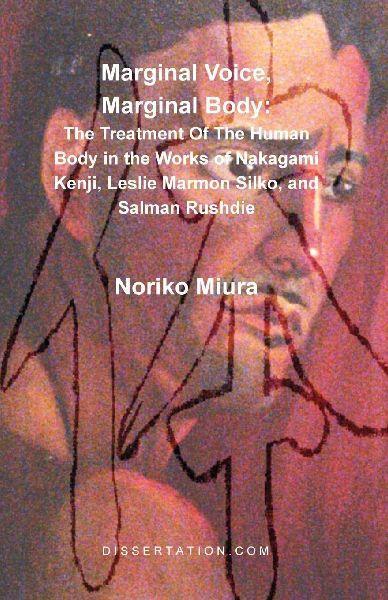
In examining the work of three "ethnic" writers (Nakagami Kenji is Japanese burakumin, Leslie Marmon Silko Native American, Salman Rushdie an Indian living in England), this project studies the literary depictions of the ways in which the body is portrayed and used as a space for cultural and ideological inscription. The major issues addressed involve gender, race, and ethnicity as forces which become visible through the socially constructed body. In the works of Nakagami Kenji, Salman Rushdie, and Leslie Marmon Silko, bodies cry out the silence to overwhelm the torturer. They all share a concern with the loss of land which induces migration, a weakened sense of identity, and hybridity. Each author uses the body of his/her protagonist as the site to inscribe the consequences of such loss, along with the criticisms against the dominant system and ideology of society. In each case, an emerging discourse of the body forges the power of the margins to resist and subvert any claims of hegemonic control.The section on Kenji's novel Wings of the Sun includes an investigation of the burakumin, its historical and cultural origin, and how it is excluded from the structure of Japanese society, before moving to an examination of Kenji's texts create a space for the burakumin within the "Body Without Organs" of advanced capitalism. The chapter on Rushdie's Shame shows how the novel uses the bodies of its protagonists as allegories of the violence and conflict within multi-ethnic, post-colonial Pakistan. The analysis of Silko's Ceremony involves the conflict between Native-American and Euro-American cultures in their varying treatments of the body.Much has been written in the last decade about literary representations of the body. This work has stressed that the body is a conceptual category produced by specific discursive operations that can be analyzed and described. Emphasis on the discursive construction of the body facilitates our understanding of the human condition represented in literature or in other cultural products, and in the case of these three authors posits the body as the site of alternative "logics" for dealing with the realities of post-colonial situations.
| ISBN | 9781581121094 |
|---|---|
| Sprache | Englisch |
| Erscheinungsdatum | 01.12.2000 |
| Größe | 216 x 140 mm |
| Verlag | Dissertation.com |
| Lieferzeit | Lieferung innerhalb von 28 Werktagen |
| Herstellerangaben | Anzeigen Libri GmbH Europaallee 1 | D-36244 Bad Hersfeld gpsr@libri.de |
Wie gefällt Ihnen unser Shop?