GUTSCHEIN
Bitte haben Sie einen Moment Geduld, wir legen Ihr Produkt in den Warenkorb.
Diese Produkte könnten Sie auch interessieren:
Bitte haben Sie einen Moment Geduld, wir legen Ihr Produkt in den Warenkorb.
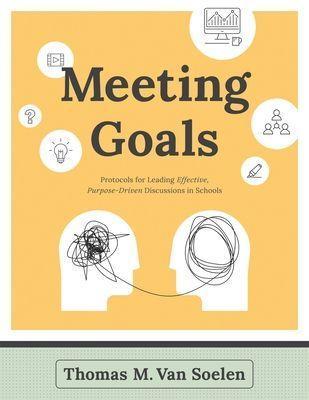
When used effectively, discussion protocols have the power to help educators cultivate highly impactful, collaborative spaces. Learn how you can lead structured and productive discussions in your own learning community with Meeting Goals. The author provides scaffolds for frequently used protocols as well as examples of protocol application. Both new and veteran educators can rely on this resource to help them facilitate constructive meetings and, as a group, catalyze great work. - Improve your group facilitation skills and expertise. - Enhance instructional coaching and feedback for teachers and teacher groups through meaningful protocols. - Study detailed instructions and scaffolds for specific protocols to meet clear, desired outcomes of collaboration. - Experience more moments of connection and transformation in groups with effective leadership and a purpose-driven agenda. - Examine specific language, practical situations, and clarifying questions for implementing discussion protocols. Contents: Acknowledgments Table of Contents About the Author Introduction: Grounding Chapter 1: Ensuring Purpose Before Protocols Chapter 2: Protocols to Build Shared Understanding Chapter 3: Protocols to Refine Products Chapter 4: Protocols to Seek Perspective Chapter 5: Protocols to Explore and Manage Dilemmas Chapter 6: Protocols to Generate Ideas Epilogue: Debriefing Appendix A: Consistent Approaches to Common Steps in Seeking-Perspectives Protocols Appendix B: Consistent Approaches to Common Steps in Dilemma-Based Protocols Appendix C: Consistent Approaches to Common Steps in Generative Protocols Appendix D: Preconference Key Words and Actions Appendix E: Passion Profiles Appendix F: Student Profiles Appendix G: Fist to Five Protocol Appendix H: Synectics Appendix I: Using Protocols With Large Groups Appendix J: Excerpts From the Pocket Guide to Probing Questions Appendix K: Building Shared Understanding Matrix--When to Use References and Resources Index
Wie gefällt Ihnen unser Shop?