GUTSCHEIN
Bitte haben Sie einen Moment Geduld, wir legen Ihr Produkt in den Warenkorb.
Diese Produkte könnten Sie auch interessieren:
Bitte haben Sie einen Moment Geduld, wir legen Ihr Produkt in den Warenkorb.
| Themen | Geschichte und Archäologie Geschichte Geschichte des Nahen und Mittleren Ostens |
|---|---|
| ISBN | 9789004707023 |
| Sprache | Englisch |
| Erscheinungsdatum | 29.04.2024 |
| Verlag | Brill |
| Lieferzeit | Lieferung innerhalb von 28 Werktagen |
| Herstellerangaben | Anzeigen Libri GmbH Europaallee 1 | D-36244 Bad Hersfeld gpsr@libri.de |
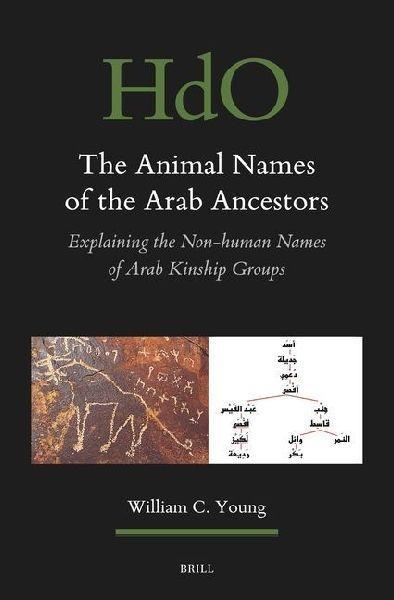
In the Arab world, people belong to kinship groups (lineages and tribes). Many lineages are named after animals, birds, and plants. Why? This survey evaluates five old explanations - "totemism," "emulation of predatory animals," "ancestor eponymy," "nicknaming," and "Bedouin proximity to nature." It suggests a new hypothesis: Bedouin tribes use animal names to obscure their internal cleavages. Such tribes wax and wane as they attract and lose allies and clients; they include "attached" elements as well as actual kin. To prevent outsiders from spotting "attached" groups, Bedouin tribes scatter non-human names across their segments, making it difficult to link any segment with a human ancestor. Young's argument contributes to theories of tribal organization, Arab identity, onomastics, and Near Eastern kinship.
| Themen | Geschichte und Archäologie Geschichte Geschichte des Nahen und Mittleren Ostens |
|---|---|
| ISBN | 9789004707023 |
| Sprache | Englisch |
| Erscheinungsdatum | 29.04.2024 |
| Verlag | Brill |
| Lieferzeit | Lieferung innerhalb von 28 Werktagen |
| Herstellerangaben | Anzeigen Libri GmbH Europaallee 1 | D-36244 Bad Hersfeld gpsr@libri.de |
Wie gefällt Ihnen unser Shop?