GUTSCHEIN
Bitte haben Sie einen Moment Geduld, wir legen Ihr Produkt in den Warenkorb.
Diese Produkte könnten Sie auch interessieren:
Bitte haben Sie einen Moment Geduld, wir legen Ihr Produkt in den Warenkorb.
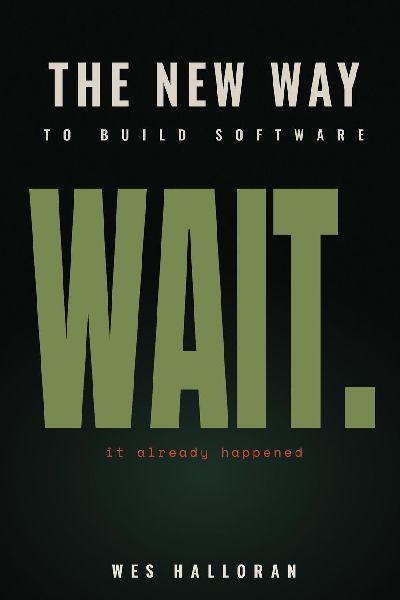
Two engineers, one job. One spent the week typing. The other spent it deciding. They shipped the same feature by Friday, and the difference was not talent.The difference was that one of them builds software the way it gets built now, and the other had not noticed it changed. Nobody sent a memo. Agent orchestration and harnesses just stopped being the advanced move and became the floor, quietly, one team at a time. Most leaders are still treating that as a personal preference, settled engineer by engineer.I wrote The New Way to Build Software for the person who has to make the call for a whole team. There is no prompt pack here and no manifesto. It is a working account of what actually changed, and a plan for moving a real team onto the new default without betting the quarter on a vibe.What you take back to your team- What changed, in language you can brief a VP with- A plain definition of the new default you can put on a wall or a wiki- A map of the orchestration layer and a named owner for it- The verification culture, written as team norms instead of personal habits- The trust gradient: a dial you can read and widen as the work proves out- A 90-day adoption plan for one team, with the first two weeks laid out day by dayWho it is forSenior engineers, tech leads, and engineering managers who can already ship and now have to decide how everyone else builds. If you are the one who has to stand in front of the team and say this is how we build now, I wrote this for you.About the authorWes Halloran writes practical books for working developers and engineering leaders making the shift to AI-agent development. He writes about how the tools actually behave once the demo ends, and he does not accept a green light he did not check. This book comes out of watching team after team stall on the same two questions: who owns the harness, and how far do you let the agent run.Part of the AI and Agentic Engineering series.
Wie gefällt Ihnen unser Shop?