GUTSCHEIN
Bitte haben Sie einen Moment Geduld, wir legen Ihr Produkt in den Warenkorb.
Diese Produkte könnten Sie auch interessieren:
Bitte haben Sie einen Moment Geduld, wir legen Ihr Produkt in den Warenkorb.
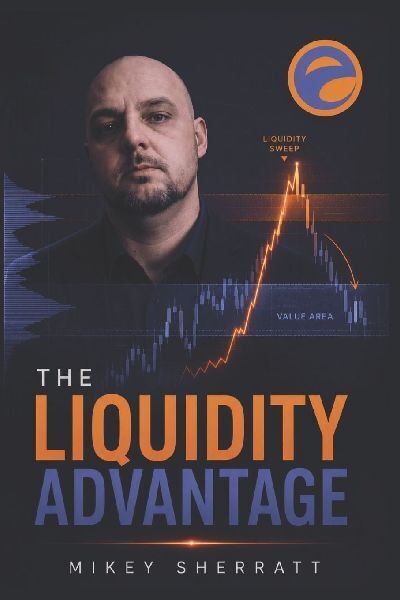
Most traders spend years searching for the perfect setup.A better indicator. 10 better strategies. And better predictions.Yet consistent profitability rarely comes from finding a secret signal. It comes from learning how markets actually work, and developing the mindset required to operate effectively within uncertainty.This book provides a practical framework for understanding market behaviour through the concepts of value, liquidity, acceptance, rejection, and risk management. Rather than teaching readers how to predict every move, it teaches them how to interpret what the market is communicating and make higher-quality decisions in real time.Inside, you'll learn: - How professional traders identify value and market context- Why liquidity drives many of the market's most confusing moves- How to recognize acceptance, rejection, and high-probability opportunities- The role of risk management in long-term profitability- Why psychology, patience, and discipline matter more than prediction- How to build a repeatable trading process that can survive uncertaintyDrawing from market structure, behavioural finance, probability theory, and real-world trading experience, this book bridges the gap between technical knowledge and practical execution.Whether you're an aspiring day trader, swing trader, futures trader, forex trader, or someone seeking greater financial freedom through the digital economy, you'll discover a framework designed to help you think more clearly, manage risk more effectively, and approach markets with the mindset of a professional.The goal is not to teach you how to predict the future.The goal is to teach you how to make better decisions when the future is unknown.Because successful trading isn't about certainty.It's about process, probability, and consistency.
Wie gefällt Ihnen unser Shop?