GUTSCHEIN
Bitte haben Sie einen Moment Geduld, wir legen Ihr Produkt in den Warenkorb.
Diese Produkte könnten Sie auch interessieren:
Bitte haben Sie einen Moment Geduld, wir legen Ihr Produkt in den Warenkorb.
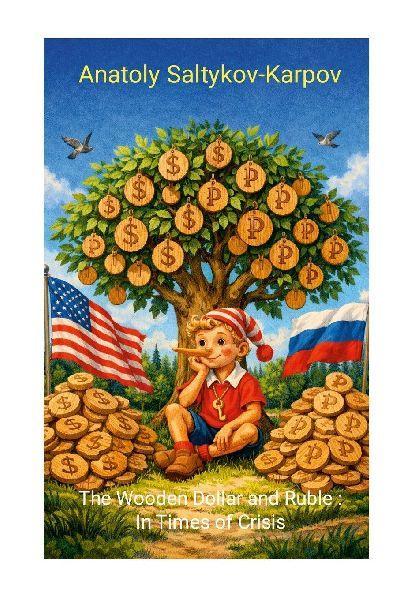
Wooden coins occupy a unique place in the history of monetary circulation. Their appearance has usually been associated with periods of economic crisis, shortages of metal, disruptions in financial systems, or major social and political upheavals. In such circumstances, societies and local communities often turned to alternative forms of money, among which wooden coins became one of the most unusual yet revealing solutions.In different countries, such money was used either as a temporary substitute for official currency or as a local means of exchange. One of the most well-known examples comes from the period of the Great Depression in the United States, when several towns and businesses issued wooden money to sustain trade and facilitate the payment of wages. Similar forms of monetary substitutes appeared in other parts of the world where economic hardship forced communities to seek unconventional financial solutions.Over time, wooden coins acquired not only a practical but also a symbolic meaning. They reflected the determination of communities to preserve economic activity and maintain trust in exchange even in times of instability. In this sense, such monetary instruments could indirectly support national currencies by sustaining local markets and demonstrating the willingness of authorities, businesses, and civic groups to uphold economic life.Beyond their economic function, wooden coins often played a role in social and political life. They were used as commemorative tokens, instruments of charitable initiatives, elements of local economic programs, and symbols of solidarity during difficult periods. Through these forms of currency, societies expressed aspects of their national culture, attitudes toward money, and ideas about fair exchange.The study of wooden coins provides valuable insight into how societies adapt to crises and economic uncertainty. These unusual monetary objects illustrate the interaction of economics, politics, and culture, showing how even simple and inexpensive materials can become part of complex financial and social processes. Examining such examples helps us better understand the role of alternative forms of money and their potential significance in supporting economic resilience, social trust, and national identity during times of crisis.
Wie gefällt Ihnen unser Shop?